

I Saw My Grandmother in My Dreams, And I Asked Her for A Bra
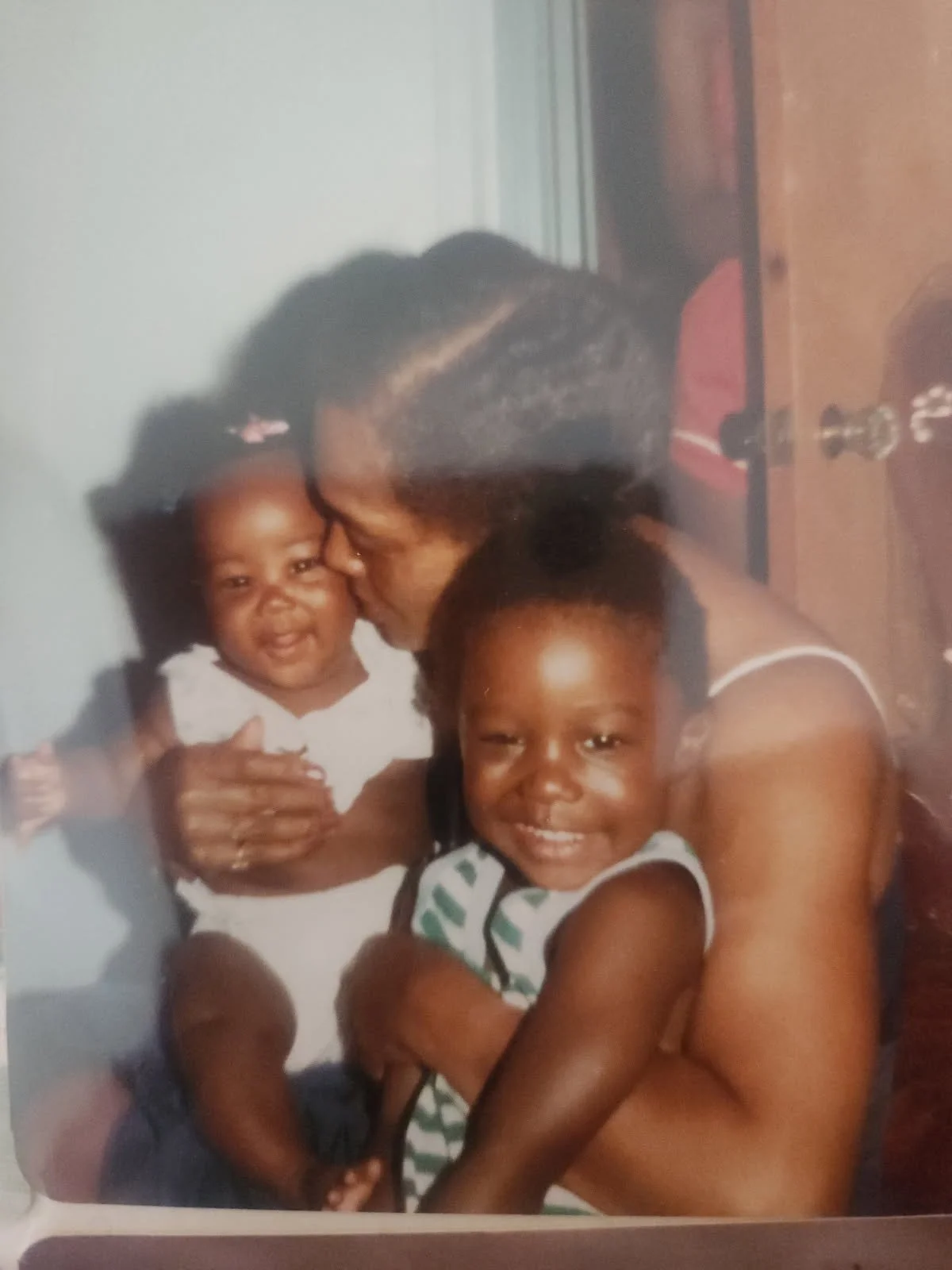
When I finally closed my eyes the other night and fell into a comfortable slumber, I saw my late maternal grandmother, Gladys. She was smiling that big smile that elongated her chin and showed the silver crown on her back tooth. It was the kind of smile that is almost a laugh but not quite. It was a smile I rarely got to see, but it warmed my heart every time she did it. She would smile that particular smile when she told old stories about her mother and sisters, when her mustard greens came out just right, or when all her children were in the same room, causing her not to have to worry about their whereabouts.
It seems as if we were in the cafe I co-own. My granny was sitting on a chair, and I, for some strange reason, was lying down in front of her. I rose up to greet her smiling face. I stared at her for a while to take in the smile, and as I looked, she asked me, “What do you need?” This isn’t an uncommon question coming from my grandmother or most any grandmother, as they are trained to read the room and supply what is lacking. After she asked, I, appearing groggy or tired, answered, “A bra.” The dream ended after that, but when I woke up, I remembered it vividly and almost immediately knew exactly what had happened.
Ever since I can remember, up until my grandmother’s transition (literally two weeks before), she had always ended our conversations with, “Take care of yourself!” She said it with conviction. And the older I got, the more I understood why she was hell-bent on me grasping that demand in a myriad of ways.
See, my grandmother was born in the 1920s. She married young and had five children. Her life mostly consisted of caring for others. She was of that generation of Black women who constantly poured from an empty cup and, as a result, harbored a lot of quiet resentment, emotional turmoil, and even illnesses for doing so. I’m sure she longed for things like me-time, retreats, and activities that regulated her nervous system, etc. But she probably didn’t have the knowledge, courage, or wherewithal to make that happen for herself. She would be amazed that an entire revolution is now centered around Black women resting and catering to themselves, but she was one of the foremothers who made it possible for us to do that.
Naturally, she instilled the “superwoman schema” in her daughters, but she saw an opportunity to end that curse with me. So, she began to teach me what she couldn’t teach her daughters or couldn’t really do herself - to take care of myself, radically. And lately, I’ve been learning and practicing the “help” aspect of self-care, which brings me back to the bra dream.
Asking for Help is Caring for Yourself
Most people know the roles bras play. They hold up the breasts. They provide comfort, lift, and, in some cases, help correct posture. Now I will be the first to advocate for an occasional “no bra” moment or moments. Because everyone and everything should have its free time. But in many situations, the right bra can be essential. And humans also need that “bra-like” thing or person who supports us, provides comfort, lifts us up, and helps correct our alignment. And I’m finally at the age and stage in my life where I understand the importance of a quality bra and quality help. And I need both.
When I asked my granny for a bra, I was pleading for support. Perhaps I was getting permission to ask for something I know most of us Black women have been taught to shun and feel bad about. We’ve been socialized to think that asking for help makes us look weak and leaves us vulnerable. But I’m now learning that asking for help (and hiring help) is one of the wisest things I can do. No one in this world got to the places they are without someone helping them. And it would be insane and unhealthy for me to think that I could juggle all my responsibilities without any assistance.
I recently read a New York Times article that pointed out that most successful people have one thing in common: asking for help. The article stated, “Studies show that knowing when to ask for help is an essential skill for children’s learning and achievement. In adulthood, seeking support is an effective strategy for regulating our emotions, and having a support network is a reliable predictor of overall mental health.” So, for those of us who are running behind on the “asking for help” wagon, the research is there. Hop on asap.
Leaning On Others is My New Superpower
In addition to being a stubborn Black woman, I’ve also come to realize that I don’t like being told no (I’m getting more comfortable with it as time passes) or seeming like a burden. Also, there was one time in my life when I believed being hyper-independent warranted bragging rights, and I didn’t trust others to get the job done how I wanted it done; therefore, it became extremely hard for me to rely on people for what I needed. Me constantly saying, “I got it,” created a cycle of burnout that dragged me into the middle of the street by my ponytail and wore me out.
Ask for Help
There are times when life will sit you down on your ass and remind you why there are other capable people inhabiting this earth right along with you - because we need them. And they need us.
We weren’t meant to do any of this alone. We are meant to survive in an ecosystem that feeds off of each other’s resources. Once I started practicing asking for help (because it’s definitely something you have to practice getting good at if you’re not used to asking) and then allowing myself to receive said help, my world began to change for the better. Leaning on others when I need them has gotten me further than I could have on my own, and I’ll keep going on that way.
So, here’s to being a Black woman who is investing in good bras and support systems. Because whether it’s life or titties, none of us should have to carry the weight alone.
P.S. - I hope everyone is doing well and taking good care of themselves. Stay tuned for updates on our next event. Talk soon!
In Rest,
Samjah Iman